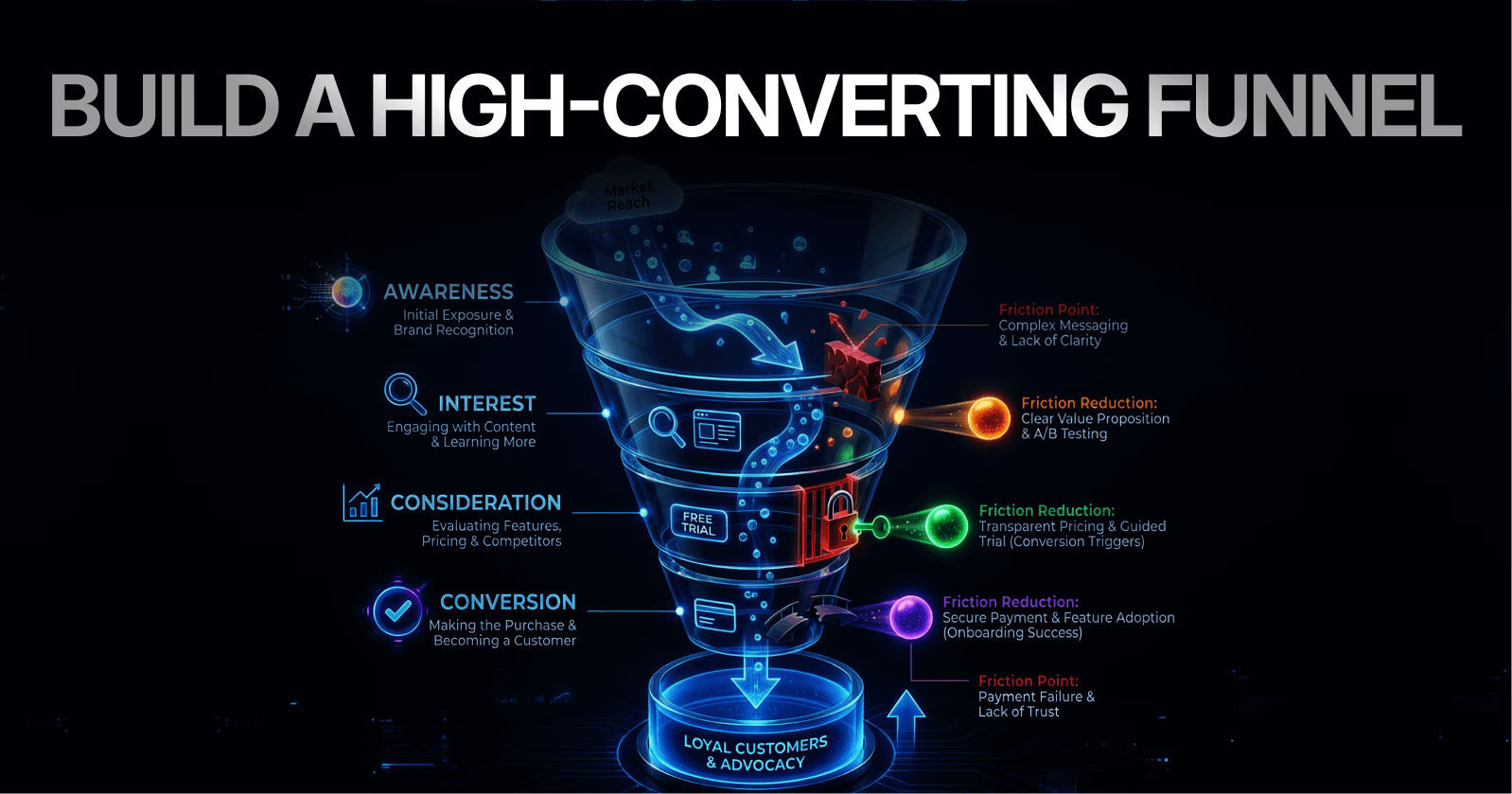
A lot of businesses drive traffic to their website and just hope people buy. That’s not a strategy — that’s guesswork. Learning how to build a sales funnel properly means guiding a stranger step by step toward becoming a paying, repeat customer, deliberately.
Let’s break down what an actually effective funnel looks like.
What a Sales Funnel Really Is
Quick answer: A sales funnel is the structured journey a potential customer moves through, from first becoming aware of your business to actually making a purchase — typically broken into awareness, interest, decision, and action stages.
Stage 1: Awareness — Getting Noticed
This is where people first discover you exist, usually through content, ads, or word of mouth. The goal here isn’t to sell — it’s to be genuinely helpful or interesting enough that someone wants to know more.
Stage 2: Interest — Building the Relationship
Once someone’s aware of you, they need a reason to stick around. Email newsletters, valuable blog content, or free resources work well here. Picture a small skincare brand in Jaipur offering a free skin-type quiz — it captures emails while genuinely helping the visitor.
Stage 3: Decision — Addressing Real Hesitations
This is where buyers compare you against alternatives. Clear pricing, honest comparisons, testimonials, and answers to common objections belong here. Vague or hidden information at this stage kills conversions fast.
Stage 4: Action — Making the Purchase Easy
- Minimize the number of steps to actually complete a purchase
- Offer multiple payment options, not just one
- Remove unnecessary form fields that add friction without adding value
Quick answer: The biggest conversion killer at the action stage is friction — every extra form field, unclear button, or confusing checkout step measurably reduces how many people actually complete their purchase.
Building Retargeting Into Your Funnel
Most people don’t buy on their first visit. Retargeting ads, abandoned cart emails, and follow-up sequences bring back potential customers who showed interest but didn’t convert immediately — this stage alone often recovers a meaningful chunk of lost sales.
Common Mistakes When Building a Sales Funnel
- Skipping the awareness and interest stages entirely, jumping straight to a hard sell
- No clear call-to-action at each funnel stage
- Treating the funnel as “set it and forget it” instead of testing and refining regularly
- Ignoring post-purchase follow-up, missing repeat business opportunities
Tools to Build and Track Your Funnel
Simple tools like Mailchimp for email sequences, Google Analytics for tracking drop-off points, and basic landing page builders can get a functional funnel running without needing a huge budget or technical team. [link to related guide on content marketing strategy here]
Measuring Whether Your Funnel Actually Works
I’ve noticed a lot of businesses build a funnel once and never revisit the numbers. Track conversion rate at each stage specifically — if most people drop off between interest and decision, that tells you exactly where to focus your improvements, rather than guessing.
FAQ
Q: How long should a sales funnel take from awareness to purchase? It varies hugely by product and price point — a low-cost item might convert in minutes, while a high-ticket B2B sale could take months.
Q: Do small businesses really need a formal sales funnel? Yes, even a simple version helps small businesses convert more of their existing traffic instead of losing potential customers to a confusing journey.
Q: What’s the biggest drop-off point in most sales funnels? Typically between interest and decision, where buyers are comparing options and need clear, trustworthy information to move forward.
Q: Can social media alone build an effective sales funnel? It can support the awareness and interest stages well, but usually needs to be paired with email or retargeting for the decision and action stages.
Q: How often should I review and update my sales funnel? At least quarterly, or whenever you notice a significant drop in conversion rates at any particular stage.
Q: What’s the difference between a sales funnel and a marketing funnel? They largely overlap, though marketing funnels tend to focus more on brand awareness while sales funnels focus more directly on driving purchase decisions.
Conclusion
Knowing how to build a sales funnel properly turns random website visitors into a predictable, trackable path toward paying customers. Map out each stage deliberately, remove friction wherever you find it, and keep testing based on real numbers, not assumptions. A well-built funnel doesn’t just increase sales — it makes your entire marketing effort far more measurable and improvable over time.
Suggested alt text for images:
- “Sales funnel diagram showing awareness to conversion stages”
- “Marketing team analyzing sales funnel performance”
- “Customer journey through sales funnel on laptop screen”