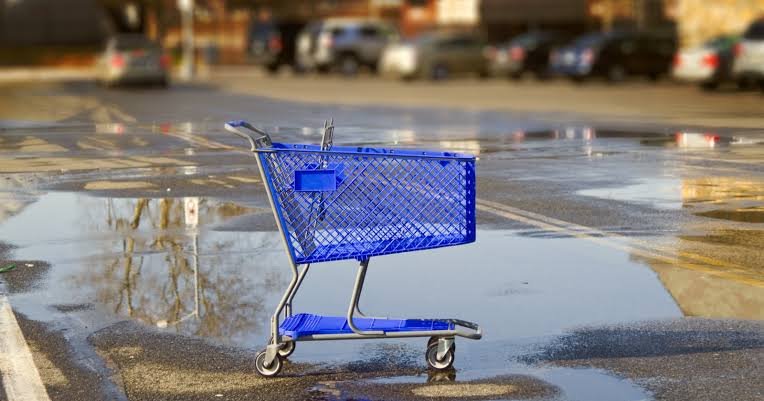
Nothing’s more frustrating than watching customers add items to their cart and then just… disappear. It happens far more than most store owners realize, and figuring out how to genuinely reduce cart abandonment can meaningfully boost revenue without needing any new traffic at all.
Here’s what’s actually causing it, and how to fix it.
Why Cart Abandonment Happens So Often
Quick answer: The average online store sees cart abandonment rates between 60-80%, primarily due to unexpected extra costs at checkout, complicated checkout processes, and a lack of trust signals that reassure buyers their payment and personal information are safe.
1. Be Upfront About Total Costs Early
Nothing kills a sale faster than a customer reaching checkout and discovering unexpected shipping fees or taxes. Show estimated total costs as early in the shopping process as possible, not as a surprise at the final step.
2. Simplify the Checkout Process
- Offer guest checkout — don’t force account creation before purchase
- Minimize the number of form fields to only what’s truly necessary
- Auto-fill address and payment details where technically possible
Picture a customer in Jaipur trying to buy a saree online, only to abandon the process after being asked to fill out seven separate fields and create a mandatory account first. Simpler checkouts consistently convert better.
3. Offer Multiple Payment Options
Quick answer: Offering multiple payment methods — UPI, cards, cash on delivery, digital wallets — directly reduces cart abandonment because customers abandon purchases when their preferred payment method isn’t available, even if alternatives exist.
4. Use Exit-Intent Popups Thoughtfully
A well-timed popup offering a small discount or addressing a common hesitation right as someone’s about to leave can recover a meaningful percentage of otherwise lost sales, without being overly intrusive.
5. Send Abandoned Cart Recovery Emails
I’ve noticed many small stores skip this entirely, which is honestly leaving money on the table. A simple email sequence — a gentle reminder within a few hours, followed by a small incentive a day or two later — recovers a solid chunk of abandoned carts.
6. Display Trust Signals Clearly
Security badges, clear return policies, and visible customer reviews near the checkout button reassure hesitant buyers. Trust concerns, especially for newer or lesser-known stores, are a bigger factor in abandonment than most owners assume.
7. Optimize for Mobile Checkout Specifically
A large share of online shopping now happens on mobile devices. If your checkout process is clunky or slow on a phone screen specifically, you’re losing sales that a desktop-optimized site would never reveal in testing. [link to related guide on how to start an ecommerce business here]
8. Reduce Page Load Time at Checkout
Slow-loading checkout pages cause impatient customers to abandon before even completing the process. Compress images and minimize unnecessary scripts specifically on your checkout pages.
FAQ
Q: What’s considered a “normal” cart abandonment rate? Industry averages typically fall between 60-80%, so some abandonment is expected — the goal is reducing it meaningfully, not eliminating it entirely.
Q: How effective are abandoned cart recovery emails really? They can recover roughly 10-15% of otherwise lost sales when timed and written well, making them one of the higher-ROI tactics available.
Q: Should I offer a discount to recover abandoned carts? It can help, though it’s worth testing whether a gentle reminder alone works first, since discounts can train customers to always expect one.
Q: Does cart abandonment mean my product or pricing is wrong? Not necessarily — it’s often more related to checkout friction, unexpected costs, or trust concerns than the product or price itself.
Q: How quickly should I send the first abandoned cart email? Within 1-3 hours of abandonment tends to perform best, while the purchase intent is still relatively fresh.
Q: Can retargeting ads help reduce cart abandonment? Yes, they work well alongside email recovery, particularly for customers who don’t have an email captured yet.
Conclusion
Learning to genuinely reduce cart abandonment often has a bigger impact on revenue than driving more traffic to a leaky checkout process. Fix the friction points first — unexpected costs, complicated forms, limited payment options — then layer in recovery emails and trust signals. Small improvements here compound into real revenue recovered from customers who were already interested enough to add items to their cart in the first place.
Suggested alt text for images:
- “Online shopper reviewing cart before checkout”
- “Ecommerce checkout page optimized to reduce cart abandonment”
- “Abandoned cart recovery email displayed on smartphone”