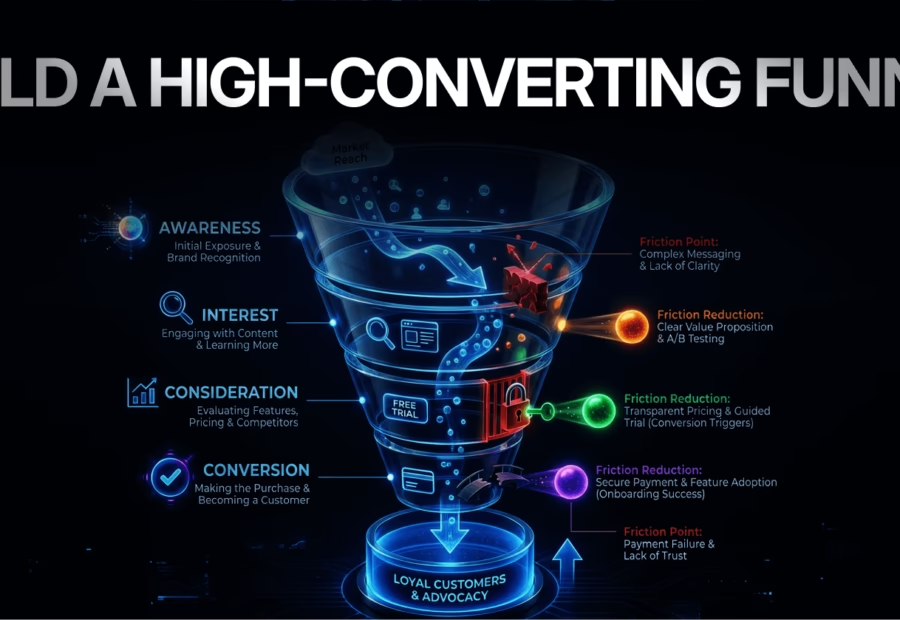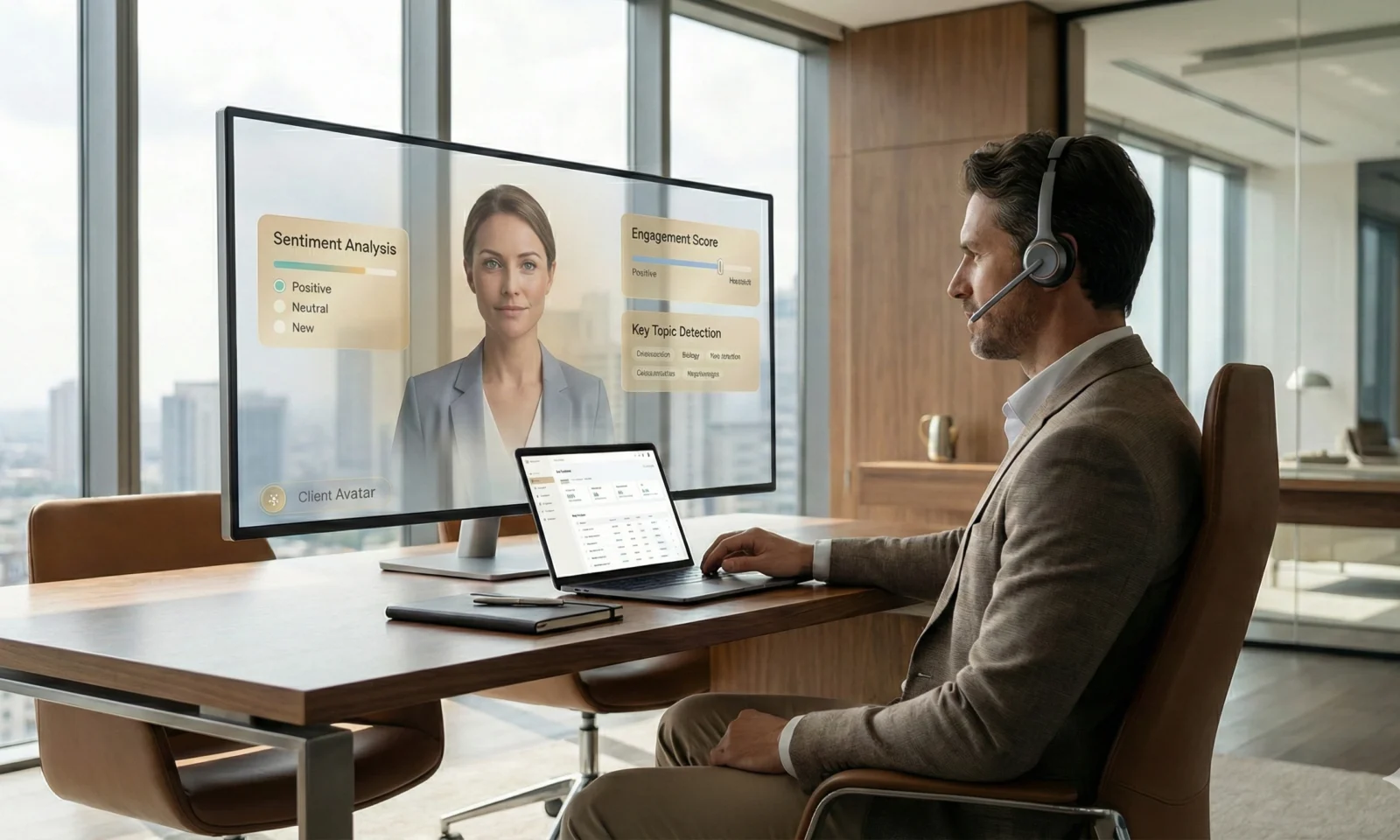
Buyers in 2026 are more informed and more skeptical than ever before — they’ve researched your product, compared competitors, and probably read reviews before you even got them on a call. Old-school pushy sales techniques just don’t land the way they used to.
Here’s what’s actually working for salespeople closing deals consistently right now.
Why Traditional Hard-Selling Fails Today
Quick answer: Aggressive, script-heavy sales techniques fail with modern buyers because they feel manipulated rather than helped — today’s most effective sales techniques focus on genuine problem-solving and trust-building over pressure tactics.
1. Lead With Questions, Not Pitches
The instinct is to jump straight into product benefits. Better salespeople hold back and ask real questions first — what’s actually broken in the buyer’s current process, what have they already tried, what’s their real budget constraint.
2. The “Silence After the Price” Technique
Picture a sales rep quoting a price and immediately following up nervously with justifications. That habit actually weakens the offer. Stating the price and then staying quiet, letting the buyer respond first, projects far more confidence.
3. Social Proof Placed Strategically
- Share a relevant case study close to the buyer’s own industry, not a generic testimonial
- Mention specific numbers (“reduced costs by 22%”) rather than vague claims
- Time this proof right after addressing the buyer’s specific concern, not randomly early in the pitch
4. Handling Objections Without Getting Defensive
Quick answer: The best way to handle objections isn’t to argue against them directly — it’s to acknowledge the concern genuinely, ask a clarifying question, and then address the real underlying worry, which is often different from the stated objection.
5. The Assumptive Close
Rather than asking “would you like to move forward?”, experienced salespeople often ask something like “should we start with the standard plan or the premium one?” — assuming the sale while still giving the buyer meaningful choice.
6. Building Urgency Honestly
Fake urgency (“only 2 left!”) when it’s not true damages trust fast, especially with B2B buyers who talk to each other. Real urgency — a genuine seasonal deadline, or a documented cost of continued inaction — works far better and doesn’t backfire later.
7. Following Up Without Being Annoying
I’ve noticed a lot of deals die simply from inconsistent follow-up, not from actual rejection. A structured follow-up sequence, spaced out over days rather than daily pestering, keeps you top of mind without feeling desperate.
8. Personalizing at Scale
Generic outreach gets ignored instantly. Even small personal touches — referencing something specific about the buyer’s company or a recent achievement — noticeably increase response rates compared to fully templated messages. [link to related guide on sales funnels here]
Sales Techniques That No Longer Work Well
- High-pressure “limited time only” tactics used dishonestly
- Overly scripted calls that ignore what the buyer is actually saying
- Focusing entirely on features instead of the buyer’s specific problem
FAQ
Q: What’s the single most effective sales technique right now? Genuine discovery — asking real questions and actually listening before pitching anything — consistently outperforms scripted pitches.
Q: How many follow-ups are appropriate before giving up on a lead? Most sales research suggests 5-8 follow-ups spread over a few weeks before considering a lead cold.
Q: Do sales techniques differ between B2B and B2C? Yes, significantly — B2B typically involves longer cycles and multiple decision-makers, requiring more relationship-building and patience.
Q: Is cold calling still effective in 2026? It’s less effective alone, but combined with warm outreach and social proof beforehand, it still has a place in many sales strategies.
Q: How important is product knowledge compared to sales technique? Both matter, but without genuine product knowledge, even the best sales techniques feel hollow and get exposed quickly by informed buyers.
Q: Should salespeople use urgency tactics at all? Only when genuinely true — dishonest urgency damages long-term trust and reputation far more than it helps close individual deals.
Conclusion
The sales techniques that actually work in 2026 center on trust, genuine listening, and honest urgency rather than pressure and scripts. Buyers are smarter now, and they can tell the difference. Focus on solving a real problem clearly, and the close often takes care of itself.
Suggested alt text for images:
- “Sales representative closing a deal with client”
- “Salesperson using proven sales techniques in meeting”
- “Sales team reviewing closing strategies and pipeline”