Water quality is one of those things people don’t always think about until something changes. Maybe the tap water develops an unusual taste, mineral deposits start building up around the kitchen faucet, or a water-using appliance stops working as efficiently as it used to. For homeowners and businesses, these small signs can raise bigger questions about water quality, equipment performance, and long-term costs.
Southern California presents its own set of water challenges. Local water supplies can vary considerably, and differences in mineral content, seasonal conditions, and distribution systems may affect how water behaves inside a property. The right treatment approach isn’t necessarily the most expensive one or the system with the longest list of features. It’s the solution that addresses an actual need and continues to perform reliably over time.
Understanding Your Local Water Quality
Before investing in water treatment equipment, it helps to understand what’s actually coming through the pipes. Water may meet applicable drinking water standards and still contain minerals that cause scale, affect taste, or leave spots on glassware. These issues aren’t always dangerous, but they can certainly be frustrating.
Hard water is a common concern in many parts of Southern California. Calcium and magnesium can accumulate inside pipes, water heaters, dishwashers, and other equipment. Over time, scale buildup may reduce efficiency and increase the amount of cleaning or maintenance required.
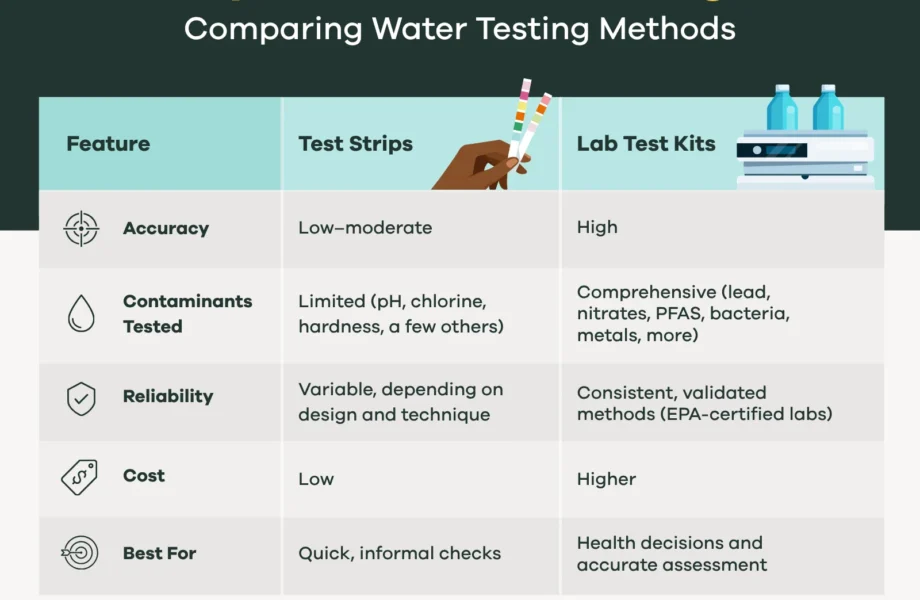
Other concerns depend on the source and location. Some properties may benefit from filtration that improves taste and odor, while others may need a more specialized solution. A water test provides a useful starting point because it helps distinguish between a genuine treatment need and a problem that can be addressed with simpler measures.
Rather than buying equipment based on a neighbor’s recommendation alone, consider your property’s water report, household usage, plumbing condition, and specific concerns. Two homes on the same street can have different needs, particularly when their plumbing and equipment differ.
Why Regional Experience Matters
Water treatment isn’t a one-size-fits-all service. A provider familiar with local conditions can help customers make decisions based on the water they actually use, rather than relying on generic recommendations.
For example, households in san diego county may encounter water hardness concerns that influence their choice of filtration or conditioning equipment. The right solution depends on the property’s water supply, existing plumbing, and what the household wants to improve. Some families may prioritize drinking water taste, while others want to reduce scale buildup or protect water-using appliances.
A qualified provider should explain the available options in straightforward language. That means discussing what a system removes or reduces, what it doesn’t address, and whether replacement filters or other consumables will be needed. Clear explanations make it easier to compare equipment without feeling pressured into purchasing features that offer little practical benefit.
Regional knowledge is particularly helpful when a property has unusual plumbing arrangements, a private water source, or water quality concerns that require additional testing. Experience matters, but it should always be supported by evidence and transparent recommendations.
Finding the Right Solution for Different Properties
Every property uses water differently. A family home might need a drinking water filter and a way to manage hard water, while a commercial kitchen could require equipment suited to its daily demand and cleaning requirements. Businesses that depend on consistent water quality may also need a planned service schedule to minimize disruption.
In the imperial valley, local conditions and individual water sources can make a careful assessment especially valuable. Water quality may differ between communities and properties, so assumptions aren’t a substitute for testing. Factors such as mineral concentration, water usage, and the intended purpose of the treated water should guide equipment selection.
Several treatment options are available, and each serves a different purpose. Sediment filters help capture suspended particles. Activated carbon filters can improve certain taste and odor concerns and reduce specific contaminants when the system is certified for that purpose. Reverse osmosis systems can reduce a range of dissolved substances, although performance depends on the equipment and water conditions.
Water softeners use an ion-exchange process to reduce hardness minerals. They’re useful for managing scale, but they don’t perform the same job as a drinking water filter. Understanding these distinctions helps prevent a common mistake: expecting one piece of equipment to solve every water quality issue.
A reliable installer should also consider available space, drainage requirements, water pressure, and future servicing. The system needs to fit the property as well as the water problem.
Installation Is Only the Beginning
Even good equipment needs attention after installation. Filters become less effective when they reach the end of their useful life, and neglected components may affect water flow or system performance. Some systems also require periodic sanitization, inspections, or adjustments.
Ask for a clear explanation of the recommended service intervals before committing to a purchase. Maintenance requirements vary by product, water conditions, and usage, so there isn’t one universal schedule that applies to every household. Keeping records of filter changes and professional visits can help owners avoid missed service dates.
It’s also worth paying attention to changes in performance. A sudden drop in water pressure, unusual noises, leaks, or a return of unpleasant taste may indicate that the equipment needs inspection. These signs don’t always mean the entire system must be replaced. Sometimes a worn seal, clogged filter, or simple adjustment is enough.
When comparing providers, look beyond the initial quote. Ask whether installation is included, what the warranty covers, whether replacement parts are readily available, and how service appointments are handled. A lower upfront price may not represent the best value if routine upkeep becomes difficult or expensive.
Comparing Providers Across Nearby Communities
Service availability can influence the practical value of a water treatment system. A provider might offer suitable equipment, but customers also need dependable support when a filter requires replacement or a system develops a problem.
Residents in orange county may want to compare providers by looking at their technical experience, product choices, installation practices, and ongoing customer support. Reviews can be helpful, though it’s sensible to look for specific details rather than relying only on star ratings. Comments about punctuality, clear communication, and how a company handles follow-up work can reveal more than broad praise.
Before scheduling an appointment, confirm whether the company covers your address and whether an assessment carries a fee. Ask for an itemized estimate that separates equipment, labor, optional upgrades, and expected maintenance costs. If a recommendation seems unusually complicated, getting a second opinion can provide reassurance.
A trustworthy provider won’t promise that a single system can eliminate every possible contaminant. Instead, they should explain the system’s tested capabilities and help you understand whether additional treatment or independent water testing is appropriate.
Making a Practical Long-Term Investment
Water treatment is easiest to manage when decisions are based on evidence rather than urgency. Start by identifying the issue, test the water when appropriate, and compare solutions that address the specific concern. Consider operating costs alongside the purchase price, including filter replacements, electricity where applicable, water usage, and professional servicing.
It’s also wise to review manufacturer documentation and relevant third-party certifications. Certifications from recognized organizations, such as NSF, can help verify specific performance claims, but the exact standard and contaminant reduction claim matter. A certification for taste and odor improvement, for example, doesn’t automatically establish effectiveness against every other contaminant.
Ultimately, better water management doesn’t have to mean buying the biggest system available. It means understanding your needs, choosing equipment that fits your property, and maintaining it properly.
When homeowners and businesses take those steps, they can make more informed choices, avoid unnecessary expenses, and enjoy the practical benefits of a water treatment system designed for their circumstances. Good water care isn’t a one-time purchase. It’s an ongoing decision to protect equipment, use resources wisely, and make everyday water use a little more dependable.