Water is something most of us use without giving it much thought. We fill a glass from the kitchen tap, make tea before work, cook dinner, and refill bottles throughout the day. It becomes part of the background of daily life. But when the water has an unusual taste, leaves deposits in a kettle, or comes from a source with uncertain quality, it starts to feel a little less ordinary.
For many households, finding a reliable way to improve drinking water is a practical concern rather than a passing interest. There are several treatment options available, and understanding how they work can help you make a sensible choice. One technology that often comes up in this conversation is reverse osmosis, particularly for homes that want a more consistent source of drinking water.
Why Drinking Water Quality Deserves Attention
Water quality can vary considerably depending on where it comes from. Municipal supplies are generally treated and monitored, but the characteristics of the water reaching a particular home can still differ. Groundwater may contain naturally occurring minerals, while plumbing, storage tanks, and local environmental conditions can introduce other concerns.
Some changes are easy to notice. Water may taste salty or metallic, smell unusual, or leave visible residue on kitchen fixtures. Other substances cannot be identified by taste, smell, or appearance alone. That’s an important distinction because water that looks perfectly clear isn’t automatically free of unwanted contaminants.
Testing provides a more reliable starting point. Depending on the source, a suitable analysis may check for dissolved minerals, hardness, nitrate, microbial contamination, or other substances of concern. The right tests depend on local conditions and the type of supply, so a generic test kit may not answer every important question.
Once you understand what’s present in your water, you can choose treatment based on evidence rather than guesswork. That’s usually a better investment than buying equipment simply because a product promises cleaner, fresher water.
How Reverse Osmosis Actually Works
The science behind reverse osmosis is easier to understand than the name might suggest. An RO system uses pressure to push water through a specialised semipermeable membrane. The membrane allows water to pass while rejecting a large proportion of many dissolved substances and other contaminants.
Most household systems use several treatment stages. A sediment filter may catch particles such as dirt and rust. A carbon filter can reduce chlorine and certain compounds that affect taste and odour, depending on the filter design. The RO membrane then performs the central separation process, and some systems include a final carbon filter to polish the water before it reaches the tap.
The result can be a significant reduction in many dissolved contaminants. However, no treatment system removes everything under every condition. Performance depends on the membrane, the substances involved, incoming water quality, operating pressure, and regular maintenance.
RO systems also produce a wastewater stream that carries away rejected substances. The amount varies by design and operating conditions, so it’s worth asking about water efficiency before choosing a unit. Some newer systems are designed to reduce waste compared with older models.
What Makes RO Water Different?
One reason homeowners consider RO is its ability to reduce dissolved solids that conventional sediment and carbon filters may not remove effectively. This can be useful when testing identifies specific contaminants that an RO system is certified to reduce.
People sometimes refer to treated water as ro drinking water, but the label alone doesn’t tell you how well a particular system performs. Two products may use similar terminology while differing in membrane quality, certifications, filtration stages, and maintenance requirements.
Look for clear information about contaminant reduction rather than relying on broad claims such as “pure water” or “advanced purification.” Independent certification can provide useful evidence that a system has been tested for particular performance claims. In the United States, for example, NSF/ANSI standards may apply to different aspects of drinking water treatment equipment; the relevant standard depends on the product and the claim being made.
It’s also worth remembering that reverse osmosis reduces certain minerals along with unwanted dissolved substances. Some systems include a remineralisation stage to add selected minerals back for taste. This feature is a matter of preference and system design, not a substitute for checking whether the water is safe.
Is Reverse Osmosis Right for Every Household?
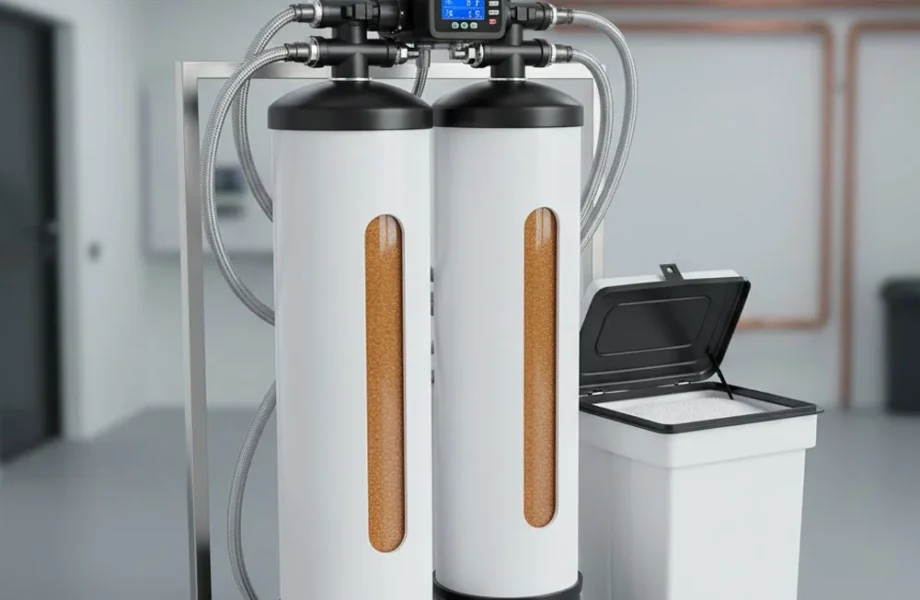
Not necessarily. The best treatment depends on the problem you’re trying to solve. If the main concern is chlorine taste, a properly certified carbon filter may be enough. If the water is hard and the goal is to reduce scale throughout the home, a water softener may be more appropriate. Softening and reverse osmosis perform different jobs, even though both can improve certain aspects of water quality.
For homes that rely on borewells or private wells, testing is particularly important. Groundwater conditions can change, and some contaminants require treatment methods specifically suited to them. An RO unit should not be treated as a universal answer to microbial contamination or every possible chemical hazard.
Household size matters, too. A small kitchen unit may suit a couple who drink mostly tap water, while a larger family may need greater daily production capacity. Check the rated output, storage tank capacity, replacement filter costs, installation requirements, and availability of service support.
A slightly cheaper system may become more expensive over time if replacement parts are difficult to find or servicing is complicated. It’s worth considering the whole ownership experience, not just the price on the box.
Maintenance Is Part of Water Safety
Even a well-designed filtration system needs attention. Filters collect particles and lose effectiveness as they approach the end of their service life. RO membranes also require care, and their performance can decline if the system is neglected or the incoming water places excessive demands on the equipment.
Follow the manufacturer’s replacement schedule, but also pay attention to usage and local water conditions. If the taste changes suddenly, the system begins producing water unusually slowly, or you notice leaks, investigate rather than assuming everything is working normally.
Storage tanks and dispensing taps need appropriate cleaning as well. A neglected system can undermine the benefits of good filtration, which is why maintenance should be considered before installation, not after the first problem appears.
Where water safety is a concern, periodic testing of the treated water may also be worthwhile. This helps confirm that the system is performing as expected rather than relying entirely on indicator lights or general product assurances.
Making a Confident Choice
Choosing clean drinking water for your household doesn’t have to mean purchasing the most complicated or expensive equipment available. It starts with understanding your source, identifying the substances that need attention, and matching those findings to a suitable treatment method.
Ask suppliers which contaminants their systems are tested to reduce, how often filters need replacing, and how much wastewater the unit typically produces. Find out whether installation and after-sales service are included, too. Straightforward answers to these questions are often more useful than impressive marketing language.
Water quality isn’t always something you can judge with your senses, but you can take practical steps to understand it. Test first, compare treatment options carefully, and keep the chosen system properly maintained.
In the end, the aim is simple: water that meets your household’s needs and gives you confidence every time you fill a glass. A little research at the beginning can help you reach that point without unnecessary expense or complicated guesswork.