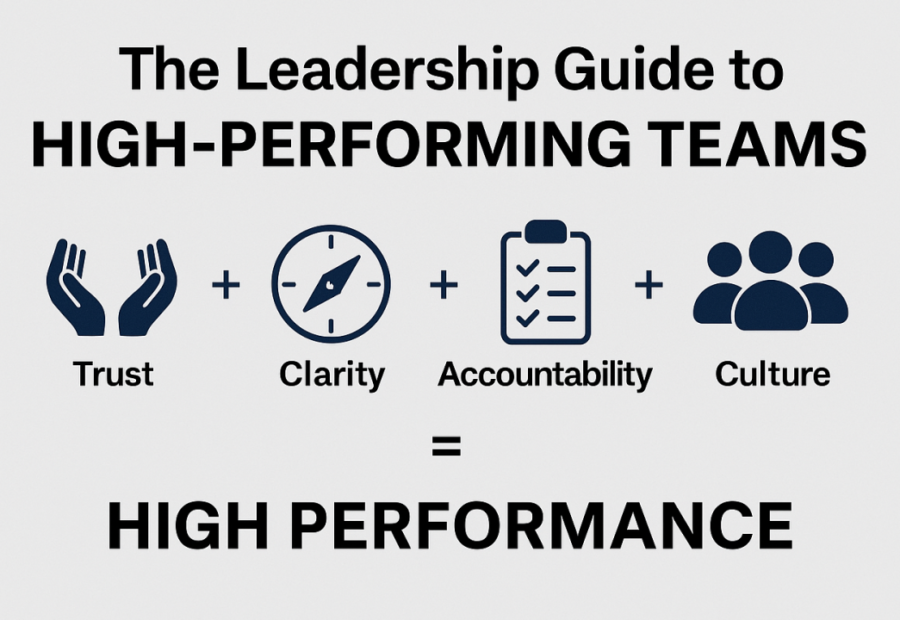
There’s a moment a lot of managers hit where they realize being good at managing tasks isn’t the same as actually leading people. The manager to leader transition isn’t automatic — plenty of people stay stuck as capable managers for years without ever making that shift.
Here’s what actually changes, and how to make that shift deliberately.
Understanding the Real Difference First
Quick answer: Management is primarily about organizing tasks, processes, and resources efficiently, while leadership is about influencing people, setting vision, and inspiring genuine commitment beyond just compliance with instructions.
Shift 1: From Controlling to Empowering
Managers often feel responsible for every outcome directly. Leaders shift toward empowering their team to own outcomes themselves, which requires letting go of a certain amount of direct control — something that feels uncomfortable at first for most people making this transition.
Shift 2: From Answers to Questions
Early in a management career, people expect you to have the answer immediately. As you move toward leadership, the more valuable skill often becomes asking the right questions that help your team find their own answers, building their capability rather than just solving problems for them repeatedly.
Shift 3: From Short-Term Output to Long-Term Vision
Picture a sales manager in Jaipur who’s excellent at hitting monthly targets but has never articulated where the team is headed a year or two out. Making the leap to true leadership meant she started spending real time on quarterly vision conversations with her team, not just weekly target reviews.
Building Trust as You Transition
- Follow through consistently on commitments, even small ones
- Be transparent about challenges, not just successes
- Actively seek feedback about your own leadership style, and act on it visibly
Trust doesn’t transfer automatically just because you got a new title. It’s rebuilt through consistent behavior over time.
Learning to Delegate Real Ownership, Not Just Tasks
Quick answer: True delegation during the manager to leader transition means handing over decision-making authority, not just assigning tasks with predetermined solutions — this is often the hardest and most important shift new leaders need to make.
Managing Former Peers
One of the trickiest parts of this transition happens when you’re promoted above people who used to be your peers. Relationships shift, sometimes awkwardly. Address it directly and early rather than pretending nothing’s changed — most people appreciate the honesty more than an artificial return to “normal.”
Developing Your Own Leadership Voice
Early on, it’s tempting to copy a leadership style you admired from a previous boss. That works temporarily, but eventually, teams respond better to a leader who’s found their own authentic approach rather than an imitation of someone else’s style. [link to related guide on leadership qualities here]
Handling the Loneliness That Often Comes With This Shift
Nobody talks about this enough. The transition often comes with a certain isolation — you can’t vent about company decisions the same way you used to with peers, and some information you now have can’t be freely shared downward yet. Finding a mentor or peer network outside your immediate team helps a lot here.
FAQ
Q: How long does the manager to leader transition usually take? It varies widely, but most people report a genuine mindset shift somewhere between 1-3 years into a leadership role, with continued growth beyond that.
Q: Can someone be a great leader without ever being a manager first? It’s less common in traditional corporate structures, but not impossible, especially in entrepreneurial or informal leadership settings.
Q: What’s the most common mistake during this transition? Continuing to do the team’s tasks directly instead of empowering the team to handle them independently.
Q: Do all managers need to become leaders eventually? No, some people genuinely prefer and excel in strong management roles without pursuing broader leadership responsibility, and that’s a perfectly valid career path too.
Q: How important is emotional intelligence in this transition? Extremely important — much of the shift from manager to leader depends on interpersonal skill more than technical or organizational skill.
Q: Should I get a mentor during this transition? Yes, strongly recommended — a mentor who’s already made this transition can help you navigate the specific challenges much faster than figuring it out entirely alone.
Conclusion
The manager to leader transition isn’t marked by a promotion date — it’s marked by a genuine shift in how you think about your role, your team, and your own responsibility for their growth, not just their output. If you’re in the middle of this shift right now, be patient with yourself. It’s a real skill set to build, not a switch that flips overnight.
Suggested alt text for images:
- “Manager transitioning into a leadership role in team meeting”
- “New leader mentoring team member one-on-one”
- “Leadership development session in corporate office”