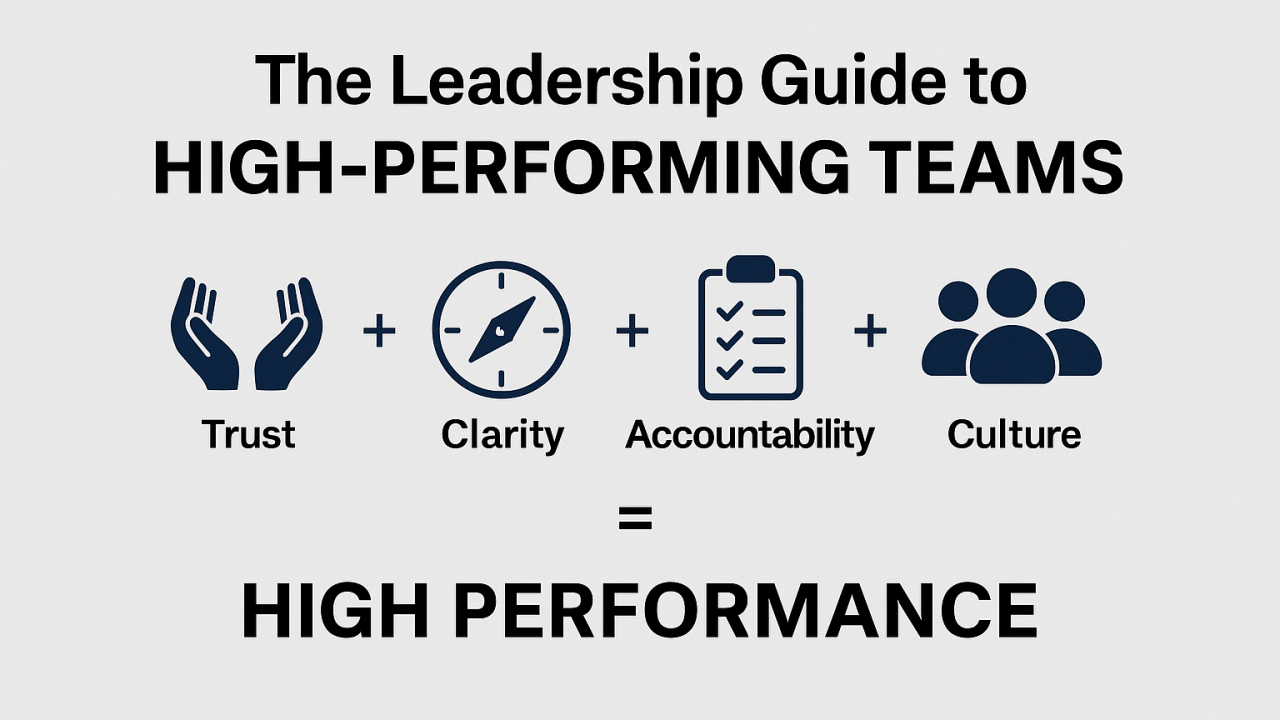
Plenty of managers hold the title without ever really building the leadership qualities that make teams want to follow them, not just report to them. There’s a real difference, and teams feel it immediately, even if they can’t always articulate why.
Here are ten qualities that consistently show up in leaders whose teams actually perform well.
1. Clarity Over Charisma
Quick answer: The most underrated leadership quality isn’t charisma — it’s clarity. Teams perform better under leaders who clearly explain what’s expected and why, even if that leader isn’t naturally the most charming person in the room.
2. Consistency
A leader who’s warm one day and dismissive the next creates constant anxiety in their team. Predictability, even in a demanding leader, builds far more trust than occasional bursts of kindness surrounded by unpredictability.
3. Willingness to Admit Mistakes
I’ve noticed the leaders people respect most aren’t the ones who never make mistakes — they’re the ones who own them openly instead of deflecting blame downward. It’s a small thing that has an outsized effect on trust.
4. Active Listening
- Actually pausing before responding, not just waiting for your turn to talk
- Asking clarifying questions instead of assuming you understand
- Following up on concerns raised in earlier conversations
Picture a team lead in Jaipur managing a customer support team. When she started genuinely following up on issues her team raised in meetings, instead of just nodding along, team engagement scores improved noticeably within a quarter.
5. Decisiveness Under Uncertainty
Teams don’t need leaders who have all the answers. They need leaders willing to make a call with incomplete information rather than freezing everyone in indecision while waiting for perfect data that rarely comes.
6. Delegation Without Micromanaging
Quick answer: Effective delegation means clearly defining the outcome you want while trusting your team to determine the how — micromanaging every step usually signals a lack of trust that quietly erodes team morale over time.
7. Emotional Regulation
Leaders who lose their composure under pressure create ripple effects of stress throughout their entire team. This doesn’t mean suppressing emotion entirely — it means not letting frustration dictate how you treat people in the moment.
8. Investing in People’s Growth
Teams notice quickly whether a leader genuinely cares about their long-term development or just cares about immediate output. Leaders who invest real time in mentoring, even informally, tend to retain their best people significantly longer.
9. Giving Credit, Taking Blame
This one’s simple but rare. Strong leaders publicly credit their team for wins and privately, not publicly, address failures — often taking responsibility themselves rather than singling out individuals in front of others.
10. Adaptability Without Losing Direction
Markets shift, priorities change, unexpected problems come up constantly. Good leaders adapt their approach without losing sight of the bigger goal, rather than either rigidly sticking to a failing plan or constantly changing direction without any clear thread. [link to related guide on manager to leader transition here]
Why These Qualities Matter More Than Technical Skill
Plenty of people get promoted into leadership roles because they were excellent individual contributors. Technical skill matters, sure, but it doesn’t automatically translate into the interpersonal leadership qualities that actually determine whether a team thrives or just quietly tolerates their manager.
FAQ
Q: Can leadership qualities be learned, or are they innate? They can absolutely be learned and developed through deliberate practice, feedback, and self-awareness over time.
Q: What’s the biggest leadership mistake new managers make? Trying to be liked by everyone instead of being respected — these aren’t the same thing, and prioritizing likability often undermines effective decision-making.
Q: How do I know if I’m micromanaging my team? If you find yourself needing to approve small decisions your team is capable of making themselves, that’s a strong sign.
Q: Is emotional intelligence more important than technical expertise for leaders? Both matter, but emotional intelligence typically has a bigger impact on team performance and retention than pure technical expertise.
Q: How can I develop better leadership qualities as a mid-level manager? Seek regular feedback from your team, find a mentor, and reflect honestly on situations where your response could have been better.
Q: Do leadership qualities differ across industries? The core qualities remain similar, though the specific application might vary based on team structure, pace, and industry demands.
Conclusion
Strong leadership qualities aren’t about dramatic gestures or natural charisma — they’re built through consistent, everyday choices: listening properly, owning mistakes, and genuinely investing in your team’s growth. If you’re in a leadership role right now, pick just one of these ten qualities to focus on deliberately this month. Small, consistent changes in how you lead add up faster than most people expect.
Suggested alt text for images:
- “Team leader discussing goals with high-performing team”
- “Manager giving constructive feedback in one-on-one meeting”
- “Leadership qualities checklist for team management”