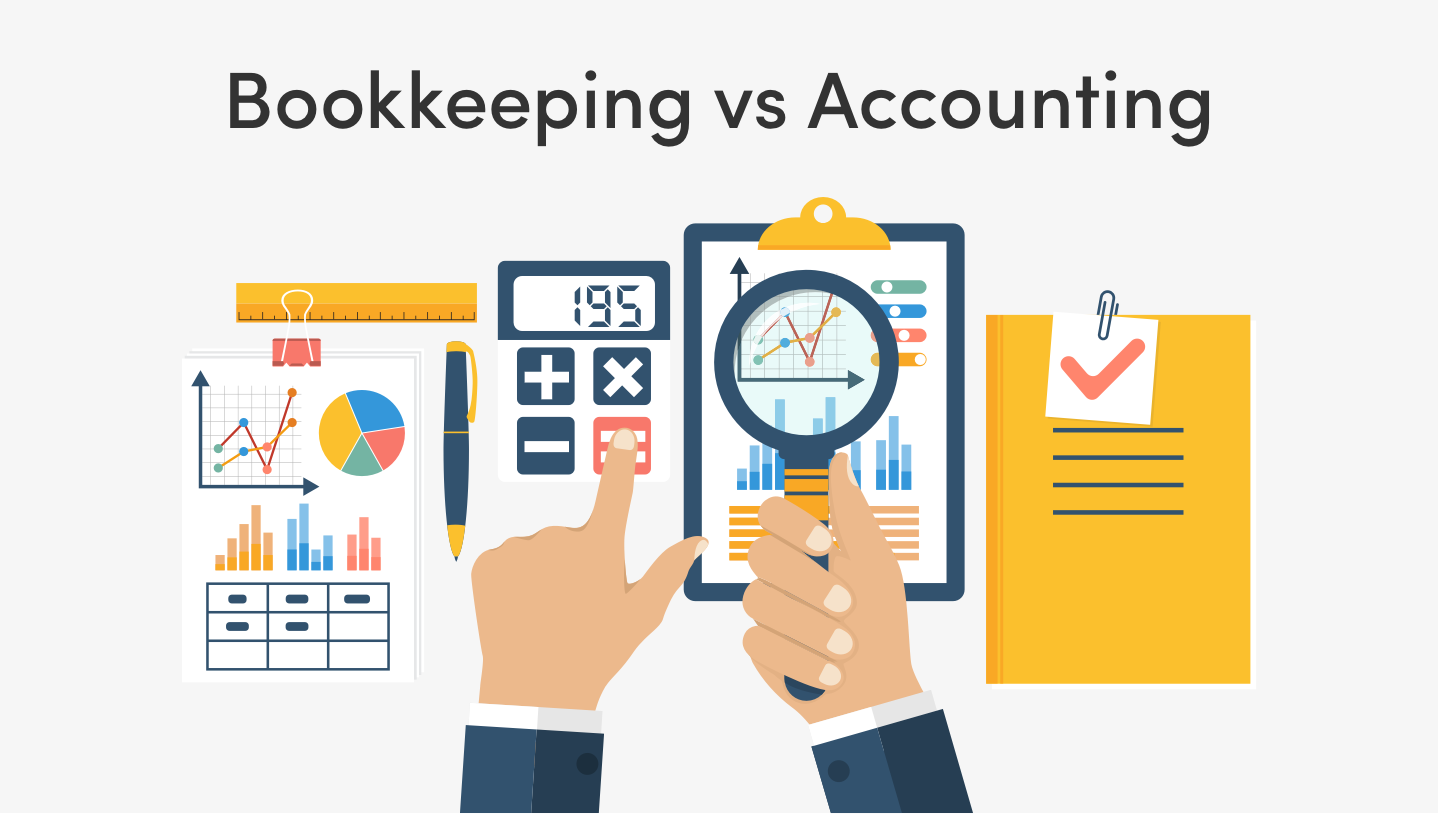
People use these two words interchangeably all the time, and honestly, it causes more confusion than it should. Bookkeeping vs accounting isn’t really a competition — they’re two different stages of managing your business finances, and most businesses need both.
Let’s clear this up properly.
The Simple Definition
Quick answer: Bookkeeping is the day-to-day recording of financial transactions, while accounting is the broader process of interpreting, analyzing, and summarizing that data to guide business decisions and ensure compliance.
What a Bookkeeper Actually Does
- Records daily sales, purchases, and expenses
- Reconciles bank statements
- Manages invoices and payment tracking
- Maintains payroll records
A bookkeeper’s job is mostly about accuracy and consistency — getting every transaction recorded correctly, on time, without errors.
What an Accountant Actually Does
An accountant takes that raw data and turns it into something useful — financial statements, tax filings, budget forecasts, and strategic advice. Picture a shop owner in Jaipur whose bookkeeper tracks every daily sale meticulously. At month-end, her accountant analyzes that data to show her which product lines are actually profitable versus which ones just look busy but barely break even.
Do You Need Both, Or Just One?
Quick answer: Very small businesses sometimes combine both roles into one person or software tool, but as revenue and complexity grow, separating bookkeeping and accounting typically improves both accuracy and strategic decision-making.
Qualifications Typically Required
Bookkeepers generally don’t need formal certification, though many pursue courses in bookkeeping software and basic finance. Accountants, particularly Chartered Accountants (CAs) in India, require formal degrees, rigorous exams, and certification — their scope of work, especially around audits and tax filing, legally requires this qualification.
Cost Differences
Bookkeeping services are generally more affordable, often charged hourly or as a flat monthly fee for transaction volume. Accounting services, especially from a CA, cost more due to the specialized expertise and legal responsibility involved, particularly for statutory filings.
When Bookkeeping Alone Isn’t Enough
- When you need to file annual tax returns accurately
- When you’re seeking a business loan or investor funding
- When you need strategic guidance on pricing, cost-cutting, or expansion
- When facing an audit or regulatory compliance requirement
If any of these apply, relying on bookkeeping data alone, without proper accounting analysis, leaves real gaps.
How Technology Has Blurred the Line
Modern accounting software like Zoho Books or QuickBooks has automated a lot of traditional bookkeeping tasks, which has shifted many bookkeepers toward more analytical work too. This overlap is part of why the bookkeeping vs accounting distinction feels blurrier now than it did a decade ago. [link to related guide on basic accounting principles here]
Choosing the Right Setup for Your Business
I’ve noticed small business owners often hire an accountant for everything, including basic data entry, which is honestly overkill and expensive. A better setup, once you’re past the earliest startup stage, usually involves a bookkeeper handling daily transactions and an accountant reviewing and advising periodically.
FAQ
Q: Can one person handle both bookkeeping and accounting for a small business? Yes, especially in the early stages, though as complexity grows, separating the two roles often improves accuracy and efficiency.
Q: Is bookkeeping software a replacement for hiring a bookkeeper? It can reduce the workload significantly, but someone still needs to review, categorize, and reconcile entries regularly.
Q: Do I need a CA for tax filing, or can a bookkeeper handle it? Formal tax filing, especially for businesses, generally requires a qualified accountant or CA, not just a bookkeeper.
Q: How much does a bookkeeper typically charge in India? Rates vary by transaction volume and complexity, but small businesses often pay a modest monthly retainer for basic bookkeeping services.
Q: What software bridges both bookkeeping and accounting needs? Tools like Tally, Zoho Books, and QuickBooks handle both functions reasonably well for small to mid-sized businesses.
Q: Should I hire a bookkeeper or an accountant first as a new business owner? Start with a bookkeeper for daily tracking, and bring in an accountant periodically for reviews, tax filing, and strategic advice.
Conclusion
Understanding bookkeeping vs accounting isn’t just semantics — it directly affects how you staff and manage your business finances properly. Get your daily bookkeeping accurate and consistent first, then layer in proper accounting analysis as your business grows in complexity. Both roles matter, just at different stages of turning raw numbers into real business insight.
Suggested alt text for images:
- “Bookkeeper recording daily transactions in ledger”
- “Accountant analyzing financial statements and reports”
- “Comparison chart showing bookkeeping vs accounting roles”