You don’t need to be a chartered accountant to run a business well, but ignoring accounting entirely is a fast way to lose control of your finances without even realizing it. Learning a few basic accounting principles early on saves a lot of pain later — trust me on this one.
Here’s what every owner should actually understand.
The Accrual vs Cash Basis Question
Quick answer: Cash basis accounting records income and expenses only when money actually changes hands, while accrual basis records them when they’re earned or incurred — most growing businesses eventually need accrual accounting for an accurate financial picture.
The Matching Principle
This one trips up a lot of new business owners. The matching principle says expenses should be recorded in the same period as the revenue they helped generate. So if you spent money on materials in March but sold the finished product in April, accounting rules generally want that expense matched to April’s revenue, not March’s.
Double-Entry Bookkeeping, Simplified
Every transaction affects at least two accounts. Sell something for ₹10,000? Cash goes up by ₹10,000, and revenue goes up by ₹10,000 too. It sounds confusing at first, but once it clicks, it actually makes tracking money far more reliable than a simple list of ins and outs.
Assets, Liabilities, and Equity
- Assets — what your business owns (cash, inventory, equipment)
- Liabilities — what your business owes (loans, unpaid bills)
- Equity — what’s left over for the owner after liabilities are subtracted from assets
Picture a small retail shop owner in Jaipur who has ₹5 lakh in inventory and cash combined, ₹1.5 lakh in outstanding supplier bills. Her equity, roughly, is ₹3.5 lakh. That number tells her far more about actual business health than just looking at her bank balance alone.
The Revenue Recognition Principle
Revenue should be recorded when it’s earned, not necessarily when cash is received. If you deliver a service in December but get paid in January, proper accounting records that revenue in December — this matters a lot for accurate monthly reporting.
Consistency Principle
Quick answer: Once you choose an accounting method, stick with it consistently across periods — switching methods frequently makes it nearly impossible to accurately compare performance month to month or year to year.
Understanding Depreciation
Big purchases like machinery or vehicles aren’t expensed all at once — their cost is spread out (“depreciated”) over their useful life. This one confuses a lot of new business owners who wonder why a ₹5 lakh equipment purchase doesn’t show as a full expense in the month it was bought.
Why These Principles Matter for Small Businesses
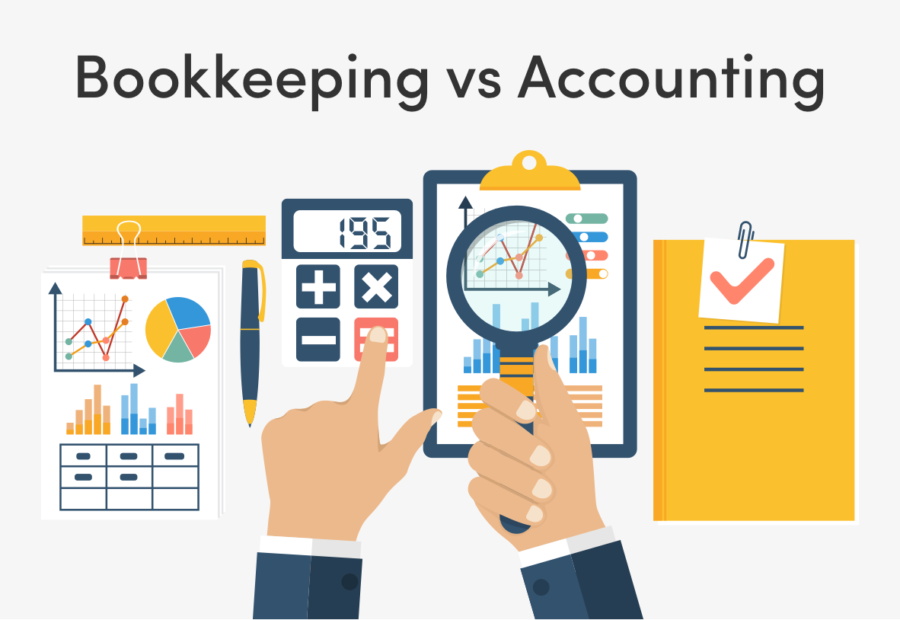
I’ve noticed a lot of small business owners avoid learning even the basic accounting principles, assuming it’s purely their accountant’s job. That’s a mistake. You don’t need to do the bookkeeping yourself, but understanding these concepts helps you actually read your financial statements and catch problems your accountant might miss or not flag urgently. [link to related guide on bookkeeping vs accounting here]
Common Mistakes Business Owners Make
- Mixing personal and business expenses in the same account
- Not reconciling bank statements regularly
- Ignoring accounts receivable until cash flow becomes a crisis
- Failing to track inventory accurately, leading to inflated or understated asset values
FAQ
Q: Do I need to hire an accountant if I understand basic principles myself? Yes, ideally — understanding principles helps you communicate better and catch errors, but professional accountants handle compliance and complexity you likely shouldn’t manage alone.
Q: What’s the easiest accounting software for small businesses in India? Tools like Tally, Zoho Books, and QuickBooks are commonly used, depending on business size and complexity.
Q: How often should I review my financial statements? Monthly at minimum — waiting until year-end to review finances is a common and costly mistake.
Q: What’s the difference between gross profit and net profit? Gross profit is revenue minus direct costs of goods sold; net profit subtracts all other expenses, including overhead, taxes, and interest.
Q: Is GST accounting different from regular accounting principles? GST adds specific compliance requirements, but the underlying accounting principles remain the same.
Q: Can basic accounting knowledge help me get better loan terms? Yes, lenders often view businesses with clean, well-understood financials as lower risk, which can improve loan terms.
Conclusion
You don’t need an accounting degree to run a financially healthy business, but you do need to understand these basic accounting principles well enough to make informed decisions. Take an hour this week to actually sit with your accountant and understand your current financial statements line by line — it’s time that pays for itself many times over.
Suggested alt text for images:
- “Business owner reviewing basic accounting principles with calculator”
- “Double-entry bookkeeping ledger and financial documents”
- “Small business financial statements and accounting notebook”