
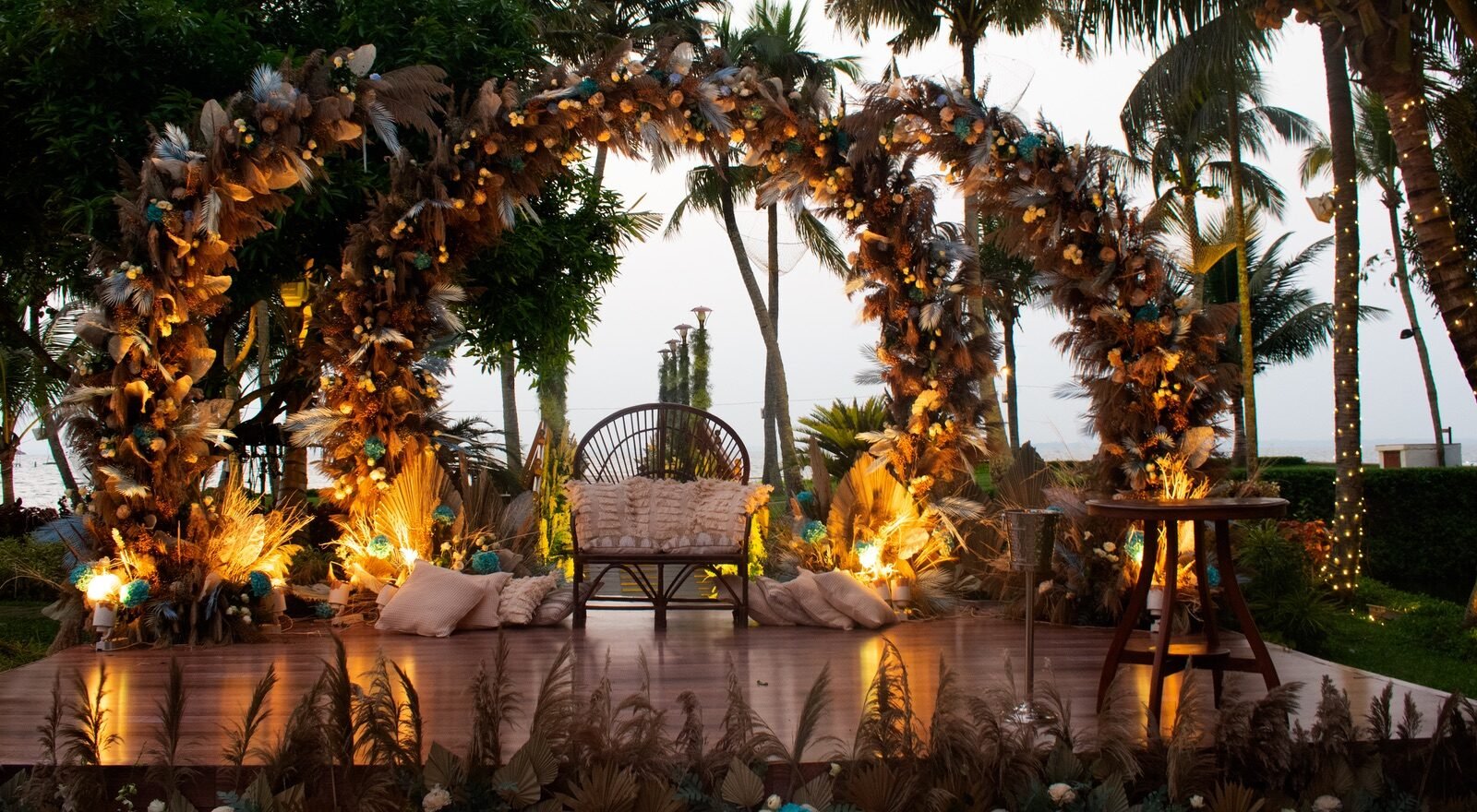
Some celebrations feel memorable before anything has even happened. You arrive at the venue, step out of the car and immediately notice the quiet. There are trees nearby, open sky overhead, perhaps water in the distance. People start smiling. Someone takes a deep breath and says, “This is nice.”
That first impression matters.
When an event takes place surrounded by nature, the environment can create an atmosphere that decorations alone struggle to achieve. The setting gives people something to look at, somewhere to wander and a natural reason to spend time outdoors. It also creates a little breathing room, which can be surprisingly valuable when everyone has come together for an important occasion.
Whether you’re planning a wedding, family reunion, anniversary, birthday or corporate gathering, the right outdoor setting can make the event feel less manufactured and more connected to the moment.
Let the Setting Influence the Style
A natural venue doesn’t require you to abandon elegance.
In fact, simple décor often works beautifully outdoors. Instead of covering every table with elaborate arrangements, you can use the landscape as part of the design.
Think about the colors already around you. Green trees, blue water, natural stone and warm sunlight can provide a palette without much effort. Neutral linens, simple flowers and understated lighting can complement those surroundings instead of competing with them.
This approach also makes planning easier.
You aren’t trying to transform the location into something completely different. You’re enhancing what is already there.
Think About How Guests Will Feel
A successful event isn’t just about how the venue photographs.
It’s about how people experience it.
Can guests move comfortably? Is there enough seating? Are there shaded areas? Can older family members easily reach the main gathering space? Are restrooms convenient?
These questions aren’t as exciting as choosing centerpieces, but they matter.
Outdoor venues can be especially enjoyable when guests have choices. Someone might want to sit and talk, another person may want to explore the property, while children may need a safe place to move around.
Giving people options makes an event feel relaxed rather than restrictive.
Create a Space That Feels Like Yours
One of the biggest advantages of choosing a private venue is the ability to personalize it.
You can decide where people sit, how the tables are arranged, what music plays and which details represent the occasion. When the space is entirely your own for the event, guests can settle in without feeling like they’re sharing the room with strangers celebrating something completely different.
That sense of ownership can be especially valuable for milestone occasions.
You don’t necessarily need extravagant decoration. Personal touches often have more impact.
Display family photographs. Use a favorite song during an important moment. Serve a dish that has a story behind it. Place handwritten notes where guests can find them.
Those details make an event feel genuine.
Weddings Benefit From Natural Beauty
Few occasions receive as much attention to detail as weddings.
Couples spend months, sometimes longer, choosing colors, flowers, menus and music. But one of the most powerful design elements is often the location itself.
A lakeside ceremony, wooded setting or open meadow can provide an atmosphere that feels romantic without being overly formal. Natural scenery can also create beautiful photographs throughout the day.
Morning light may feel soft and peaceful. Afternoon can bring brighter, more energetic images. Then, as the sun begins to disappear, the entire mood changes.
Instead of trying to create one perfect backdrop, you get several naturally.
Don’t Forget the Practical Side of Outdoor Events
Beautiful surroundings don’t eliminate practical considerations.
Weather should be near the top of your planning list. Have a backup option for rain, strong wind or extreme temperatures. If the event is during warmer months, provide shade and plenty of drinking water.
If the celebration continues into the evening, think about lighting.
Guests need to be able to move safely between seating areas, restrooms and parking. Decorative lights can create atmosphere, but functional lighting should come first.
Also consider the ground itself.
Grass, gravel, sand and uneven paths can be difficult for some guests. Let people know what kind of footwear will be comfortable, particularly if formal clothing is expected.
A small warning beforehand can save someone a very uncomfortable evening.
Keep Food Appropriate for the Setting
Outdoor dining can be wonderfully relaxed, but food service requires some planning.
Consider whether the menu needs to be served hot or cold and how it will be stored safely. Work with experienced catering staff if you’re hosting a larger event.
Buffets can work well for casual gatherings because guests can choose when and what they want to eat. Plated meals create a more formal atmosphere and can be appropriate for weddings and milestone dinners.
Don’t forget dietary requirements.
Ask guests about allergies and restrictions early. Having suitable choices available makes people feel welcome and avoids awkward last-minute conversations.
And if you’re serving food outdoors, keep an eye on insects and temperature. Nature is lovely, but it occasionally wants a seat at the dinner table too.
Give People Room to Wander
One benefit of an outdoor venue is that guests don’t have to remain in one place.
Create a few natural gathering points. A seating area near the water can encourage conversation. A shaded corner can provide a quieter escape. A lawn can give children room to play.
You don’t need to organize activities for every minute.
People are perfectly capable of entertaining themselves when they’re comfortable.
In fact, some of the best moments at a celebration happen when nothing formal is happening. Friends catch up. Relatives tell old stories. Someone discovers a beautiful view and calls everyone over.
Leave room for that.
Plan the Ceremony or Main Event Around the Environment
If you’re organizing a ceremony, speech or formal presentation outdoors, consider the position of the sun and the direction of sound.
Nobody wants to spend twenty minutes staring directly into bright sunlight. Likewise, beautiful scenery won’t help if guests can’t hear what is being said.
Visit the location at the same time of day as your planned event if possible.
Notice where shadows fall. Check how noisy the surroundings are. Think about wind and whether microphones will work properly.
A little observation can make a significant difference.
Keep Decorations Simple
Natural venues don’t usually need much help.
Too many decorations can actually distract from the surroundings. Instead, focus on a few elements that add warmth and personality.
Flowers, lanterns, simple table settings and carefully chosen signs can be enough.
If the landscape is particularly beautiful, let it remain visible.
This is especially important for photography. You don’t want expensive decorations blocking the very scenery that attracted you to the venue in the first place.
Build in Time to Enjoy the Day
Hosts often forget to experience their own event.
They’re checking whether food has arrived, answering questions, adjusting schedules and worrying about guests. By the time everything is finished, they realize they barely sat down.
Delegate what you can.
Ask a friend or coordinator to handle minor questions. Give vendors clear responsibilities. Create a simple schedule that someone else can monitor.
Then step away from the logistics.
Eat something. Talk to your guests. Take a walk. Watch the sunset.
You’re allowed to enjoy the celebration you’ve spent so much time planning.
The Landscape Becomes Part of the Memory
Years later, people rarely remember every decorative detail.
They remember how the place felt.
They remember the light across the water, the sound of laughter outside, the conversation beneath a tree or the moment everyone gathered together as evening arrived.
That’s the quiet power of a natural setting.
It doesn’t demand attention. It simply gives the occasion room to breathe.
Choose a location that feels right, plan thoughtfully around its practical challenges and resist the urge to overcomplicate things. When the environment already has beauty and character, sometimes the best thing you can do is let it speak for itself.
The result may not feel perfect.
It may feel better than perfect.
It may feel real.